


Commemorating the Beginning of the Battle of Britain
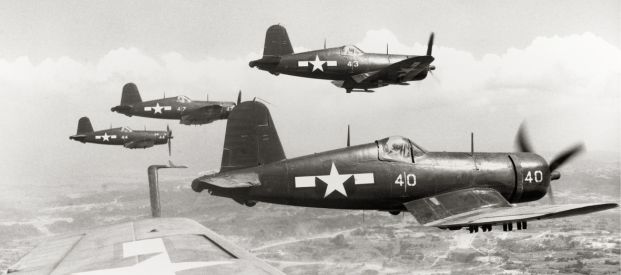
The Battle of Britain was one of the defining moments of World War II and the first major military campaign to be fought entirely in the air. Beginning on 10 July 1940 and lasting until 31 October, it saw the Royal Air Force fight hard against sustained attacks by the German Luftwaffe, ultimately thwarting Hitler’s plans for a German invasion. The bravery of those who took part was summed up when Prime Minister Winston Churchill famously declared: “Never in the field of human conflict was so much owed by so many to so few.”
Pans into planes
The first phase of the battle began on 10 July as the Luftwaffe launched a series of attacks on British coastal targets and shipping convoys in the English Channel. On that same day, Lord Beaverbrook, the Minister of Aircraft Production, launched a nationwide appeal calling for the public to donate aluminium pots, pans and other household items to help build aircraft for the RAF. The initiative was known as “Pans into Planes”.
As news of the fighting spread, people across Britain rallied behind the war effort in various ways. In addition to donating their pots and pans, many people volunteered as air raid wardens, joined the Observer Corps or took on roles in factories producing aircraft and munitions.
A switch of focus
As the weeks went by, the German bombing campaign began to ramp up, and the enemies switched their focus from coastal targets to RAF airfields and radar stations. Their goal was to destroy Britain’s air defence system, gain control of the skies and launch a full-scale invasion, codenamed Operation Sea Lion. Despite this relentless assault and faced with heavy losses, RAF Fighter Command held firm.
When those efforts failed, the Luftwaffe turned its attention to bombing London and other major cities in what became known as the Blitz. By the time the battle officially ended on 31 October, Britain had successfully prevented Germany from gaining control of the skies, and Operation Sea Lion was well and truly thwarted.
A turning point
The significance of the Battle of Britain lies in the fact that it marked a turning point in World War II, heralding the first major defeat of Nazi Germany’s armed forces. This victory not only protected the country from occupation but also provided a much-needed lift to British spirits during a time when much of Europe had already fallen under German control. It gave hope to the British as well as to their allies around the world.
Remembering “The Few”
Today, 86 years later, we continue to commemorate the Battle of Britain across the UK through memorial services, exhibitions, air displays and educational events. Places such as the Battle of Britain Memorial at Capel-le-Ferne in Kent offer places for quiet reflection, while the Royal Air Force Museum continues to tell the stories of the pilots, ground crews and civilians, who all played a key role in this historic campaign.
Each July, as we mark the anniversary of the Battle of Britain, we are offered the opportunity to remember “The Few” – the RAF fighter pilots and aircrew whose courage and determination helped to secure one of Britain’s most important wartime victories.
About the author: Elizabeth Rose

Marketing Manager at Rose Calendars, Elizabeth has many years experience in PR and Marketing, and is extremely committed to sustainability.