


Royal Ascot: Over 300 Years of Style and Spectacle
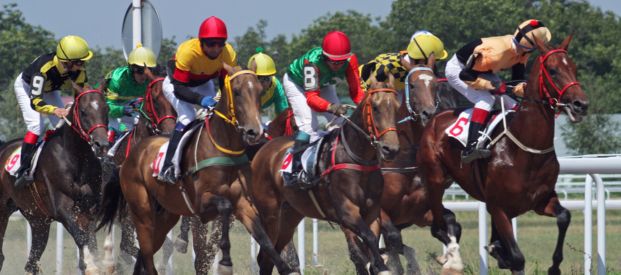 Taking place in June each year, Royal Ascot offers a thrilling combination of world-class horse racing, royal pageantry and high fashion. Around 300,000 visitors flock to Ascot Racecourse in Berkshire every year for this iconic five-day spectacle. With its close links to the Royal Family, and a vibrant atmosphere that combines sport, style and tradition, it has become a key event in the British sporting calendar.
A place for horses to gallop
Ascot Racecourse was founded in 1711 by Queen Anne, a passionate horsewoman, after she declared that an area of land near to Windsor Castle, called Ascot Heath, would be the perfect place for “horses to gallop at full stretch”. She ordered a racecourse to be constructed, and on 11 August, the inaugural race meeting took place. Seven horses competed in the first race, called Her Majesty’s Plate, with a prize pot of 100 guineas. Reportedly, the race was quite gruelling compared to modern events, consisting of three separate four-mile heats.
Although there are no records available pertaining to the winner of that first race, the meeting was deemed a success. And throughout the course of the 18th century, Ascot grew in popularity as a high-class event for both racing and socialising.
A test of stamina and endurance
The Gold Cup, Ascot’s oldest and most prestigious race, first took place in 1807. Run over a distance of two-and-a-half miles, it is considered a real test of stamina and endurance for both the horses and jockeys. The race quickly became the centrepiece of the meeting and is traditionally held on the third day of Royal Ascot, known as Gold Cup Day. Over time, this day also became synonymous with fashion, earning the nickname ‘Ladies’ Day’.
The introduction of the Gold Cup coincided with the creation of the Royal Enclosure. This signalled an important moment in Royal Ascot’s evolution into a major social event as well as a premier sporting occasion. Throughout the 19th century, Royal Ascot became associated with formal dress and behaviour, with gentlemen wearing morning dress and top hats, and ladies wearing equally elegant attire and headwear. For many years, these customs were not enforced until 2012, when the event organisers introduced detailed dress codes, including the rule that hats must be worn.
A key tradition
Another key tradition associated with Royal Ascot is the Royal Procession, which signals the official start of each race day. This is where the Monarch, members of the Royal Family and their guests travel along the racecourse’s Straight Mile in a horse-drawn carriage parade. This tradition was first introduced by King George IV in 1825 when he travelled from Windsor Castle to Ascot with the Duke of Wellington in a horse-drawn carriage. It is still one of the most eagerly anticipated moments of the meeting.
Since its humble beginning as a race for just seven horses, Queen Anne’s vision for Royal Ascot has flourished into a major sporting spectacle. In fact, as a nod to her legacy, the opening race of the meeting has been known as the Queen Anne Stakes since 1930. Over 300 years since its inception, Royal Ascot remains a winner in its field.
About the author: Elizabeth Rose

Marketing Manager at Rose Calendars, Elizabeth has many years experience in PR and Marketing, and is extremely committed to sustainability.